
In an era where environmental concerns are at the forefront of global discourse, the demand for sustainable and biodegradable products is growing rapidly. A leading company specializing in the development of eco-friendly tableware food containers is making significant strides in this area, pioneering alternative solutions that promise to transform the food packaging industry. With an experienced R&D team and a collaborative partnership with the School of Materials Science and Chemical Engineering at Ningbo University, the company is set to open a new chapter in the advancement of biodegradable materials.
### Addressing the Urgent Need for Sustainable Tableware
Plastic pollution has become one of the most pressing environmental issues of our time. Disposable plastic tableware—plates, cups, cutlery, and food containers—accounts for a substantial portion of this pollution, ending up in landfills, oceans, and natural habitats where it can persist for hundreds of years. The increasing regulatory restrictions on single-use plastics worldwide further underline the need for innovative alternatives that reduce environmental impact without sacrificing convenience and functionality.
Recognizing this urgent need, the company has concentrated its efforts on the development of tableware food containers that are sustainable, biodegradable, and designed to replace conventional plastic products. Unlike traditional plastics, these innovative containers are engineered to break down naturally in a short period under appropriate composting conditions, significantly reducing the burden on waste management systems and minimizing ecological footprints.
### Expertise and Research Drive Breakthroughs
At the heart of this innovation is the company’s highly skilled R&D team, whose rich experience in material science and environmental technology has been instrumental in driving progress. The team’s deep understanding of biodegradable polymers, biocomposites, and the chemistry of sustainable materials enables the company to develop products that not only meet environmental standards but also satisfy practical requirements related to food safety, durability, and user experience.
The company’s commitment to research and development is exemplified by its strategic collaboration with the School of Materials Science and Chemical Engineering at Ningbo University. This partnership harnesses the academic expertise and cutting-edge research facilities of the university, fostering a vibrant exchange of knowledge and innovation. Together, they are exploring novel biodegradable materials, enhancing material properties such as strength, heat resistance, and compostability, and pioneering manufacturing techniques that optimize production efficiency and environmental performance.
### Products That Blend Functionality with Sustainability
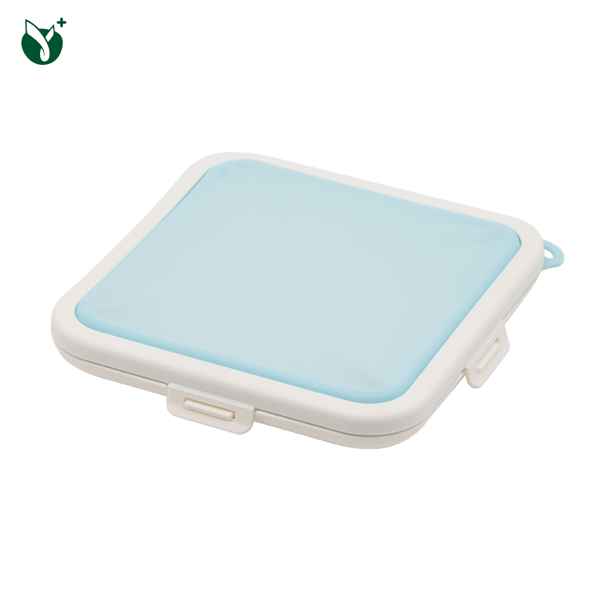
The resulting line of biodegradable tableware food containers highlights the synergy between environmental consciousness and practical design. These containers cater to a wide range of food packaging needs—from takeaway containers and lunch boxes to catering supplies and disposable plates—all made from materials that decompose rapidly and safely after use.
Key features of the containers include:
- **Biodegradability**: Made from natural, renewable materials such as plant fibers, starches, and biopolymers, the containers degrade within months under industrial composting conditions, unlike conventional plastics that linger for decades.
- **Food Safety**: Rigorous testing ensures that the containers meet food-grade standards, are free from harmful chemicals, and maintain the integrity of the food they hold.
- **Temperature Resistance**: Engineered to withstand varying temperatures, these products are suitable for both hot and cold foods, accommodating diverse culinary applications.
- **Durability and Leak Resistance**: Designed for sturdiness and functionality, the containers prevent spills and leaks, ensuring a reliable user experience.
### Promoting a Circular Economy
Beyond product innovation, the company is actively advocating for a circular economy, where materials are reused, recycled, and composted to minimize waste. By promoting biodegradable tableware that can return to the environment safely, the company is helping to reduce dependence on fossil fuel-derived plastics and mitigate the environmental impact associated with pollution and landfill overflow.
Additionally, the company is working closely with suppliers, consumers, and regulatory bodies to improve waste collection and composting infrastructure, ensuring that the environmental benefits of biodegradable products are fully realized in practice.
### Industry Implications and Future Outlook
The advancements made by the company in biodegradable tableware food containers have broad implications for the foodservice, hospitality, and retail industries, which are some of the largest consumers of disposable packaging. By offering cost-effective, sustainable alternatives, the company is empowering businesses to meet consumer demand for eco-friendly options and comply with increasingly stringent environmental regulations.
Looking forward, ongoing research and innovation fueled by the partnership with Ningbo University promise continuous improvements in material performance and cost efficiency. The company envisions expanding its product portfolio to include a wider variety of biodegradable packaging solutions, further embedding environmental responsibility into everyday consumption patterns.
### Conclusion
As global awareness about environmental sustainability grows, the development of biodegradable tableware food containers represents a crucial step forward in addressing the plastic pollution crisis. With a dedicated R&D team and a collaborative research foundation with Ningbo University, the company is leading the way toward an eco-friendly future.
By combining scientific innovation with practical application, these biodegradable food containers not only meet the needs of modern consumers and businesses but also contribute to the preservation of the natural world for generations to come. This breakthrough signals the dawn of a new era in sustainable material science—one where environmental stewardship and product excellence go hand in hand.