
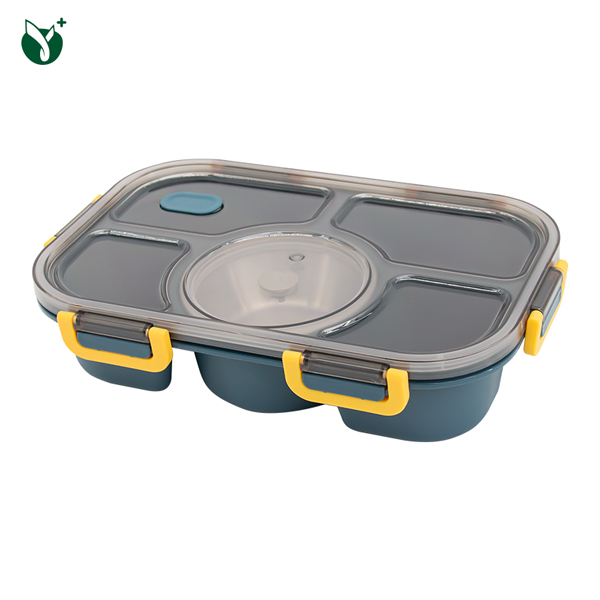
In the face of mounting global environmental concerns and the urgent need for sustainable solutions, a groundbreaking development in biodegradable materials promises to transform everyday consumer products. The latest innovation comes in the form of a plastic food storage box designed with cutting-edge biodegradable components, reflecting the commitment of a pioneering research and development team dedicated to advancing eco-friendly alternatives.
### Pioneering Biodegradable Materials for Everyday Use
This innovative plastic food storage box is the product of extensive research by a skilled R&D team renowned for their expertise in biodegradable materials. Recognizing the environmental impact of conventional plastics, the team has focused on creating sustainable products that not only meet functional demands but also significantly reduce ecological footprints.
The team’s specialization in the research and development of biodegradable materials positions them at the forefront of environmentally responsible product design. Through meticulous experimentation and refinement, they have developed a plastic food storage solution that decomposes naturally, offering consumers a responsible alternative to traditional, non-degradable plastic containers.
### Collaboration with Academic Excellence
Driving this innovation is a strategic partnership with the School of Materials Science and Chemical Engineering at Ningbo University. This collaboration merges academic rigor with industrial expertise, fostering a fertile environment for breakthrough discoveries in material science.
The cooperation aims to explore new formulations and processing techniques that maximize the biodegradability and safety of plastics without compromising durability and practical functionality. Leveraging Ningbo University's state-of-the-art research facilities and the collective knowledge of world-class experts, the initiative accelerates the transition toward environmentally-friendly material solutions on a broader scale.
### Environmental Impact and Consumer Benefits
The introduction of biodegradable plastic food storage boxes represents a significant step forward in reducing plastic pollution, which has long plagued ecosystems worldwide. Unlike conventional plastics that persist for centuries, these advanced biodegradable materials break down rapidly under natural conditions, minimizing waste accumulation in landfills and oceans.
For consumers, the advantages go beyond eco-friendliness. The designed storage boxes are lightweight, durable, and versatile, ensuring they meet the diverse needs of food storage—from home kitchens to commercial food service providers. Their biodegradability means that once their useful life ends, these containers will naturally decompose, aligning with circular economy principles and reducing the carbon footprint associated with plastic waste management.
### Opening a New Era of Environmental-Friendly Materials
The project embodies a broader vision shared by both the R&D team and Ningbo University—to pioneer a new era of environmental-friendly materials that reconcile industrial needs with ecological stewardship. By combining innovative material science with sustainability-driven design, this initiative showcases how technology can contribute to solving pressing environmental challenges.
As demand for sustainable packaging solutions grows worldwide, the biodegradable plastic food storage box stands as a testament to the power of collaboration between industry and academia. It exemplifies how targeted research and development efforts can generate real-world products that influence consumer behavior and promote sustainable lifestyles.
### Looking Ahead: The Future of Sustainable Packaging
The success of this biodegradable food storage box is just the beginning. The ongoing partnership with Ningbo University plans to expand the research into other types of environmentally-friendly materials, exploring applications beyond food packaging—such as agricultural films, disposable tableware, and medical supplies.
By continually pushing the boundaries of biodegradable technology, the team aims to offer a diverse portfolio of green materials designed to replace conventional plastics across multiple industries. Their long-term goal is to foster a sustainable material ecosystem that supports both economic growth and ecological balance.
### Commitment to Research Excellence and Sustainability
The driving force behind this innovation is the dedicated R&D team whose rich experience and passion for sustainable material science fuel ongoing progress. Their approach integrates scientific rigor with practical applications, ensuring that every product developed not only meets environmental standards but also fulfills market requirements for quality and performance.
Moreover, this initiative aligns perfectly with global sustainability goals and regulatory trends advocating the reduction of plastic pollution and promoting biodegradable alternatives. As policymakers increasingly emphasize green practices, such innovations will be crucial in helping companies comply with environmental regulations and satisfy consumer demand for sustainable products.
### Conclusion
The advent of biodegradable plastic food storage boxes marks an exciting milestone in the journey toward environmental sustainability. Supported by a knowledgeable R&D team and bolstered by academic collaboration with Ningbo University’s School of Materials Science and Chemical Engineering, this innovation opens new horizons for eco-friendly materials that can reshape industries.
By embracing biodegradable technologies and fostering partnerships between research institutions and industry, this initiative not only tackles pressing environmental issues but also sets a standard for future developments in sustainable materials. As consumers and companies alike increasingly prioritize ecological responsibility, such advancements offer hope and practical solutions for a cleaner, greener future.