
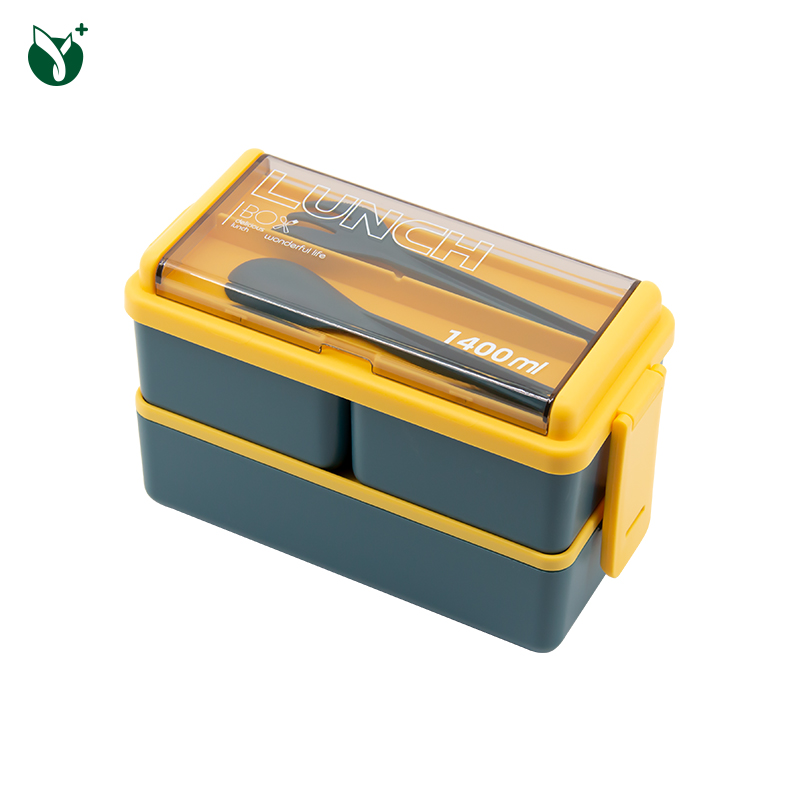
In response to growing environmental concerns and the urgent need to reduce plastic pollution, a leading company specializing in biodegradable materials has announced significant advancements in the development of eco-friendly food container boxes. With a dedicated R&D team bringing extensive expertise and an ongoing collaboration with the School of Materials Science and Chemical Engineering at Ningbo University, this initiative marks a promising stride toward sustainable packaging solutions and a cleaner planet.
### The Environmental Imperative
Plastic pollution is one of the most pressing environmental challenges of our time. Traditional plastic food containers, while convenient and cost-effective, contribute heavily to landfill waste and ocean pollution due to their persistence over centuries before degradation. Recognizing the detrimental impact of conventional plastics on ecosystems and human health, the packaging industry is witnessing increased demand for alternatives that maintain functionality without sacrificing environmental integrity.
Biodegradable food container boxes have emerged as a viable solution, designed to decompose naturally through microbial action, thereby significantly reducing environmental footprint. However, the journey to develop such materials that match the durability, safety, and cost-efficiency of traditional plastics has been fraught with scientific and technical challenges.
### Expertise Driving Innovation
At the heart of this groundbreaking development is a research and development team that boasts rich experience in biodegradable materials. Their knowledge spans polymer science, material engineering, and environmental chemistry, enabling a multi-disciplinary approach to solving complex issues related to material performance and sustainability.
The company's strategic partnership with the School of Materials Science and Chemical Engineering at Ningbo University further amplifies its research capabilities. This collaboration integrates academic rigor with industrial application, combining cutting-edge scientific research with practical manufacturing insights. Together, they are working on innovative formulations and processes to create food container boxes that are not only biodegradable but also have the mechanical strength, thermal stability, and safety standards required for everyday consumer use.
### Scientific Advancements in Biodegradability
The key focus of the R&D efforts has been developing polymers derived from renewable resources such as starch, cellulose, and polylactic acid (PLA). These biopolymers can be engineered to biodegrade under controlled composting conditions within months rather than centuries.
Through rigorous testing and material optimization, the team has successfully enhanced the barrier properties of these materials to protect food from contamination and moisture without relying on harmful additives. Additionally, the containers are designed to withstand heat suitable for microwaving and refrigeration, addressing common consumer needs and regulatory standards.
One notable innovation includes the incorporation of natural additives that accelerate biodegradation once the product is discarded, ensuring that the containers break down rapidly in composting facilities or natural environments. This approach minimizes residual waste and prevents microplastic formation, a crucial step toward mitigating ocean pollution.
### Opening a New Era of Environmental-Friendly Materials
The cooperation with Ningbo University represents a visionary commitment to bridging academia and industry to tackle environmental challenges. Researchers and engineers share resources and insights to refine not only product development but also the lifecycle assessment of these biodegradable food containers. By quantifying environmental impacts from production to disposal, the company ensures transparency and continuous improvement in sustainability metrics.
This partnership also fosters talent development by engaging students and young scientists in real-world projects, thereby nurturing the next generation of innovators dedicated to green technology.
### Market Potential and Consumer Impact
The demand for sustainable packaging solutions is soaring globally, driven by governmental regulations, retailer requirements, and growing consumer awareness. Biodegradable food container boxes developed through such advanced R&D efforts have the potential to capture substantial market share by addressing both environmental concerns and consumer expectations.
Restaurants, food delivery services, and supermarkets increasingly seek packaging options that demonstrate corporate social responsibility without compromising usability or cost. These new containers provide an attractive alternative that supports branding focused on sustainability and reduces the ecological footprint of food consumption.
### Commitment to a Sustainable Future
This initiative underscores a fundamental shift in how materials science contributes to solving environmental issues. By focusing on biodegradable food container boxes and investing in scientific development backed by strong university collaboration, the company exemplifies leadership in sustainable innovation.
Looking ahead, the company plans to expand its biodegradable product lines, improve recyclability, and scale production capabilities to meet rising demand worldwide. Continuous innovation remains the cornerstone of its mission — to replace traditional plastics with greener alternatives and help build a circular economy where waste is minimized, and natural resources are preserved.
### Conclusion
The advancement of biodegradable food container boxes developed through a blend of expert R&D and academic partnership heralds a transformative moment in environmental-friendly materials. These innovations promise to redefine consumer packaging, align industry practices with ecological goals, and inspire collective efforts toward a healthier planet.
By opening a new era of biodegradable materials, this pioneering work not only addresses the urgent plastic pollution crisis but also exemplifies the power of collaboration and science in creating sustainable solutions for future generations.
---
*For more information on biodegradable materials and sustainable packaging innovations, please follow updates from the company and Ningbo University’s School of Materials Science and Chemical Engineering.*