
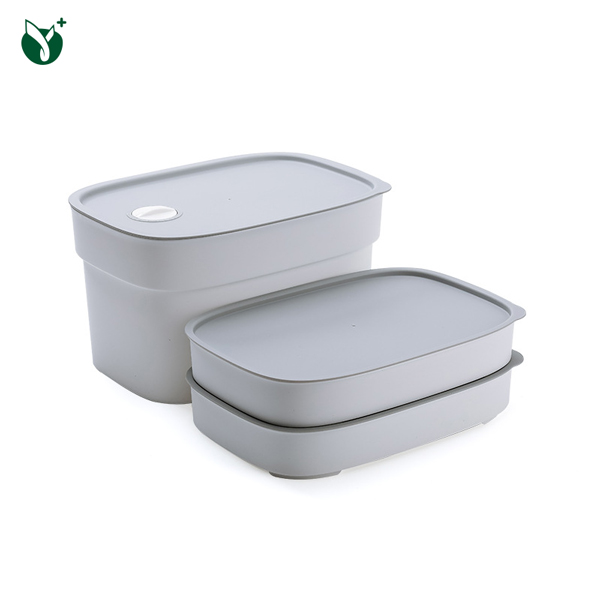
In a significant stride towards sustainable living and environmental preservation, a groundbreaking recyclable lunch box has recently been introduced to the market. Developed by a dedicated R&D team with extensive experience in biodegradable materials, this new product exemplifies the fusion of cutting-edge science and environmental responsibility. Collaborating closely with the School of Materials Science and Chemical Engineering at Ningbo University, the company is proud to usher in a fresh era of eco-friendly materials designed to reduce pollution and promote sustainable consumption.
### Pioneering Biodegradable Solutions
The development of the recyclable lunch box stems from the company’s unwavering commitment to innovation in biodegradable materials. Recognizing the growing global need to address waste management challenges and reduce reliance on non-renewable plastics, the R&D team concentrated its efforts on creating a product that not only meets functional needs but also aligns with the principles of environmental stewardship.
The team’s rich experience in material science has been instrumental in guiding the design and manufacturing process. By leveraging advanced biodegradable polymers and natural fibers, the lunch box combines durability, safety, and recyclability—qualities essential for consumer acceptance and real-world application. The result is a versatile lunch box that offers practicality for everyday use while ensuring minimal environmental impact once discarded.
### Collaboration with Ningbo University: A Synergy of Expertise
One of the key factors behind the success of this product is the strategic partnership between the company’s R&D professionals and academic experts from the School of Materials Science and Chemical Engineering at Ningbo University. This collaboration has brought together industry insight and academic research, fostering innovation that is both scientifically sound and commercially viable.
The academic team contributed in-depth knowledge about polymer science and chemical engineering processes that enabled the fine-tuning of material composition and the optimization of biodegradability without sacrificing strength or functionality. This synergy helped overcome many challenges traditionally associated with biodegradable packaging, such as short shelf life, susceptibility to moisture, and limited mechanical properties.
Together, the partners have ensured that the recyclable lunch box is manufactured using environmentally friendly processes and materials that comply with international sustainability standards. This approach not only reduces the carbon footprint of production but also guarantees that the product can be safely composted or recycled after use.
### Addressing Environmental Challenges through Innovation
The introduction of this recyclable lunch box arrives at a critical time when environmental pollution caused by single-use plastics is reaching alarming levels globally. Plastic waste, particularly from food packaging, is one of the most pressing ecological issues, polluting oceans, harming wildlife, and contributing to greenhouse gas emissions.
By offering a viable alternative made from biodegradable substances, this innovation directly targets these challenges. The lunch box decomposes naturally in composting environments, breaking down into non-toxic components that enrich the soil rather than contaminating it. Additionally, its recyclable design means it can be processed in existing recycling infrastructure, further reducing landfill waste.
Beyond its environmental benefits, the lunch box also appeals to consumers increasingly conscious of their ecological footprint. The growing demand for sustainable products indicates a shift in market preferences, with buyers willing to support brands and technologies that prioritize the planet’s health.
### Practicality Meets Sustainability
One of the standout features of this recyclable lunch box is its balance of practicality and eco-friendliness. Designed for everyday use by students, office workers, and families, it offers:
- **Durability:** Engineered to withstand daily use, it resists cracking and deformation.
- **Lightweight Design:** Easy to carry, it encourages reusable habits.
- **Safety:** Made with non-toxic, food-grade materials that ensure health safety.
- **Convenience:** Simple to clean and compatible with recycling and composting systems.
This combination empowers consumers to make sustainable choices without compromising on convenience or quality.
### Looking Forward: Opening a New Era of Environmental-Friendly Materials
The launch of this recyclable lunch box is more than just a product debut; it signals the beginning of an era where environmental consciousness and material science converge to create solutions that protect the planet while serving human needs.
The company, backed by its experienced R&D team and academic collaborators, plans to continue advancing biodegradable materials, exploring new formulations, and expanding applications beyond food packaging. Their goal is to foster systemic changes in how materials are produced, used, and disposed of—championing sustainability at every stage.
As awareness of environmental issues grows, innovations like the recyclable lunch box will play a pivotal role in shaping a sustainable future. Through research, collaboration, and a shared commitment to the environment, the company and Ningbo University are setting a powerful example of how science and business can work together for positive impact.
### Conclusion
In a world increasingly burdened by environmental challenges, the development of a recyclable, biodegradable lunch box is a beacon of hope and progress. Rooted in the expertise of a seasoned R&D team and enriched by academic partnership, this product demonstrates practical innovation with significant ecological benefits.
Consumers now have access to a reliable, convenient, and environmentally responsible alternative to traditional plastic food containers. More importantly, this initiative underscores the critical role that collaborative research and development play in driving sustainable material innovation. As this new era of environmental-friendly materials unfolds, it promises to inspire further advances and accelerate the transition toward a greener, cleaner planet.