
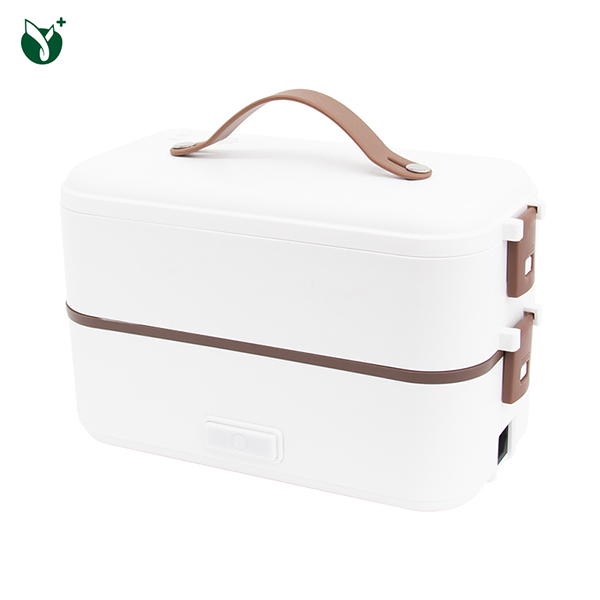
In an inspiring move towards sustainability, a cutting-edge plastic lunch box has been introduced, marking a significant stride in the development and application of biodegradable materials. This innovative product, developed by a company with a dedicated research and development (R&D) team experienced in eco-friendly materials, represents a milestone in reducing plastic waste and promoting environmental responsibility in everyday products.
### Driving Innovation through Expertise and Collaboration
The company behind this breakthrough boasts an R&D team with extensive expertise in the research and development of biodegradable materials. Leveraging their deep scientific knowledge, the team has successfully engineered a plastic lunch box that balances practicality, durability, and environmental sustainability.
What elevates this initiative is the company’s strategic collaboration with the School of Materials Science and Chemical Engineering at Ningbo University. This partnership combines industrial innovation with academic excellence, facilitating advanced research into new materials that are not only biodegradable but also economically viable for mass production.
Professor Li Wei, head of the Materials Science department at Ningbo University, commented, “Our collaboration with the company allows us to translate cutting-edge laboratory research directly into products that can have a profound impact on waste management and environmental protection. This plastic lunch box is a perfect example of how science and industry can work together to create meaningful solutions.”
### The Science Behind the Innovation
Traditional plastic lunch boxes, while convenient and affordable, contribute heavily to environmental pollution due to their non-biodegradable nature. They persist in ecosystems for hundreds of years, causing harm to wildlife and polluting landfills and oceans. Recognizing this challenge, the company’s R&D team concentrated on developing materials that could break down naturally without compromising on the product’s strength or safety.
Utilizing biodegradable polymers derived from renewable resources such as cornstarch and plant fibers, the plastic lunch box is designed to decompose completely within a specified period under composting conditions. This achievement is the product of years of systematic research, testing various material blends and manufacturing processes to optimize performance and environmental outcomes.
The incorporation of nanotechnology in material formulation also enhances the box's resistance to heat and moisture, ensuring it meets the high standards expected by consumers while maintaining its biodegradability. As a result, the lunch box offers a sustainable alternative to traditional plastics without sacrificing user experience.
### Environmental Impact and Market Significance
The launch of this biodegradable plastic lunch box coincides with increasing global awareness regarding plastic pollution and legislative efforts aimed at reducing single-use plastics. Governments and consumers alike are seeking practical alternatives that do not shift the environmental burden elsewhere.
By offering an eco-conscious product, the company taps into a growing market demand for sustainable goods, encouraging a shift in consumer behavior towards responsible purchasing. The plastic lunch box can be used in schools, offices, and homes, presenting a simple yet effective way to reduce plastic waste generated daily.
Moreover, the company’s focus on sustainable packaging aligns with broader industry trends towards green logistics and circular economy principles. This innovation not only reduces landfill contributions but also promotes composting practices, supporting the regeneration of soil and reduction of greenhouse gas emissions from waste.
### Commitment to a Sustainable Future
The company’s leadership has emphasized its long-term commitment to environmental protection and innovation. CEO Zhang Ming stated, “Our mission is to open a new era of environmental-friendly materials. We believe that sustainable innovation must start with everyday products that people can use with confidence and pride. This plastic lunch box is just the beginning of our journey towards creating a better, cleaner planet.”
Future plans include expanding the product line to include other biodegradable household items and exploring further partnerships with academic institutions and environmental organizations to accelerate research and development. The company also intends to invest in educational campaigns to raise public awareness about the importance of biodegradable materials and practical ways to reduce plastic pollution.
### Consumer Response and Availability
Early feedback from consumers has been overwhelmingly positive, with praise for the product’s quality, aesthetics, and commitment to sustainability. Users appreciate that the lunch box is sturdy enough for daily use yet breaks down naturally when discarded into appropriate composting facilities.
The plastic lunch box is now available through various retail and online channels, making it accessible to a wide range of customers eager to make environmentally responsible choices. The company encourages users to engage in proper disposal methods to maximize the ecological benefits of the biodegradable material.
### Conclusion
The introduction of this innovative plastic lunch box, developed through the expertise of a skilled R&D team and the collaborative spirit between industry and academia, signals a transformative step toward sustainable manufacturing and consumption. By incorporating biodegradable materials and advanced engineering, the company not only addresses the pressing issue of plastic pollution but also sets a benchmark for future developments in eco-friendly product design.
As environmental challenges intensify globally, such initiatives offer hope and practical solutions. The partnership with Ningbo University exemplifies how science-driven innovation can pave the way for a greener, more sustainable future, inspiring others in the industry to follow suit.
Consumers, policymakers, and industry leaders alike will be watching closely as this product’s impact unfolds, hopeful that it will catalyze broader adoption of biodegradable materials and help turn the tide against plastic pollution worldwide.