
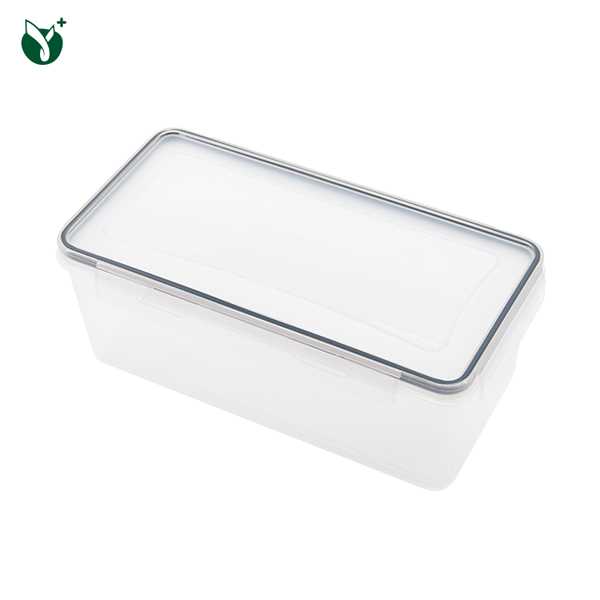
In a major stride towards sustainability, a pioneering biodegradable water bottle has been introduced to the market, symbolizing a significant advancement in eco-friendly packaging. Developed through cutting-edge research and collaboration with leading academic institutions, this innovative packaging solution addresses the growing global concern over plastic pollution and environmental degradation.
The new water bottle stands out for its completely biodegradable composition, offering a viable alternative to conventional plastic bottles that often linger in ecosystems for hundreds of years. Leveraging state-of-the-art materials and scientific expertise, the bottle promises not only to reduce ecological footprints but also to inspire a broader shift towards sustainable consumption patterns worldwide.
At the heart of this innovation is a dedicated research and development team renowned for their extensive experience in biodegradable materials. Their deep knowledge and commitment have driven the project from conceptualization to realization, ensuring the product meets rigorous environmental and performance standards. By focusing their efforts on sustainable material science, the team has successfully crafted a water bottle that decomposes naturally without leaving harmful residues, significantly mitigating environmental impact.
Critical to the success of this development is the strategic collaboration with the School of Materials Science and Chemical Engineering at Ningbo University. This partnership has bridged academic research with industrial application, enabling the exchange of fresh ideas, cutting-edge technology, and scientific rigor. The university’s expertise in polymer chemistry and material engineering has complemented the company’s R&D strengths, leading to breakthroughs in the formulation and processing of biodegradable polymers suitable for packaging use.
Together, the collaboration aims to open a new era of environmental-friendly materials, revolutionizing how everyday packaging is designed and manufactured. This aligns with global sustainability goals and the increasing demand from consumers and regulators for greener alternatives in packaging industries.
The biodegradable water bottle is crafted using innovative bio-polymers derived from renewable resources. Unlike traditional plastics derived from fossil fuels, these materials break down through natural biochemical processes facilitated by microorganisms. The bottle’s lifecycle—from production, usage, to disposal—has been meticulously optimized to ensure minimal ecological disturbance.
In practical terms, the bottle delivers impressive durability and usability, matching the convenience and reliability of conventional plastic bottles. This performance ensures that the transition towards sustainable packaging does not compromise consumer experience or product safety. Additionally, the material’s biodegradability means that when the bottle is discarded, it returns to the environment as organic matter within a relatively short timeframe, unlike petroleum-based plastics that accumulate and pollute soils and waterways.
Industry experts praise this advancement as a timely and necessary response to the mounting plastic waste crisis. With millions of tons of plastic bottles discarded annually worldwide, the adoption of biodegradable alternatives could dramatically reduce landfill pressures and marine pollution. Moreover, this innovation may set new industry standards and encourage other manufacturers to incorporate environmentally-conscious materials into their product lines.
The company's R&D team continues to explore additional applications of these biodegradable materials beyond water bottles, envisioning a future where packaging across various sectors—food, cosmetics, pharmaceuticals—adopts similarly sustainable solutions. Their ongoing research is supported by substantial investments in material science laboratories and pilot production lines, further reinforcing their commitment to environmental stewardship.
The collaboration with Ningbo University exemplifies how academia-industry partnerships can accelerate innovation for the public good. By combining theoretical research with practical implementation, such alliances unlock novel technologies that address pressing environmental challenges effectively.
Government agencies and environmental organizations have also expressed optimism about the potential impact of this biodegradable water bottle. Initiatives promoting green manufacturing and waste reduction stand to benefit from accessible and scalable biodegradable packaging technologies like this one. Furthermore, consumer advocacy groups highlight that products made from eco-friendly materials can raise awareness and drive behavioral change towards more sustainable lifestyles.
As sustainability becomes an integral component of corporate responsibility and consumer preference, breakthroughs like this biodegradable water bottle mark hopeful progress. They demonstrate that through dedicated research, collaboration, and innovation, industries can reconcile production demands with ecological preservation.
In summary, the launch of this biodegradable water bottle—born from the synergy of a skilled R&D team and the academic excellence of Ningbo University’s School of Materials Science and Chemical Engineering—heralds a transformational shift in packaging technology. It embodies a practical and impactful response to environmental challenges, paving the way for greener materials and a healthier planet for future generations.
---
**About the Company**
The company behind this innovation boasts a highly experienced R&D team specializing in biodegradable material research and development. Their commitment to advancing sustainable materials has positioned them at the forefront of environmental-friendly packaging solutions. By collaborating closely with prestigious academic institutions such as Ningbo University, the company aims to pioneer new materials that reduce plastic pollution and promote circular economies. The partnership focuses on integrating scientific breakthroughs into market-ready products, ultimately contributing to a more sustainable future across various industries.