
In an era where environmental concerns have taken center stage, the development of sustainable and eco-friendly materials is more important than ever. A pioneering company specializing in the research and development of biodegradable materials is poised to transform the industry by introducing innovative solutions that address the growing need for environmental responsibility.
Backed by a skilled R&D team with extensive experience in material science, the company has made significant strides in creating biodegradable products that not only reduce plastic waste but also ensure durability and functionality. Their commitment to sustainability is further reinforced through an academic partnership with the School of Materials Science and Chemical Engineering at Ningbo University, a collaboration aimed at ushering in a new era of environmentally friendly materials.
### A Dedicated Team Committed to Sustainable Innovation
The core strength of the company lies in its dedicated research and development team. Comprised of experts with rich experience in polymer chemistry and material engineering, the team is focused on innovating biodegradable alternatives to conventional plastics widely used in packaging, food service items, and daily consumables.
Their approach involves cutting-edge research on biodegradable polymers derived from renewable resources, which can decompose naturally without leaving harmful residues. This stands in stark contrast to traditional plastics, which persist in the environment for hundreds of years, contributing to pollution in landfills and oceans.
### Academic Collaboration Enhances Research Capabilities
The partnership with Ningbo University’s School of Materials Science and Chemical Engineering significantly boosts the company’s research capabilities. This collaboration allows access to advanced scientific expertise, state-of-the-art laboratories, and a vibrant ecosystem of innovation.
Through joint projects, the company and the university work on developing new biodegradable compounds, improving material properties, and scaling production technologies. The collaborative research also explores the biodegradation mechanisms and environmental impact, ensuring that the developed materials meet rigorous eco-friendly standards.
Professor Li Ming, head of the research team at Ningbo University, remarked, “Our collaboration with the industry partner enables us to translate academic research into practical applications. Together, we are dedicated to creating materials that align with ecological sustainability without compromising on performance.”
### Addressing the Environmental Challenge of Plastic Waste
Plastic pollution has become one of the most pressing environmental issues globally. Conventional plastics clog waterways, harm wildlife, and contribute to greenhouse gas emissions. The urgency to find alternatives has never been greater.
The biodegradable materials developed by this innovative company provide a viable solution by breaking down naturally when exposed to specific environments such as soil, compost, or water. Their products are designed to decompose within months, significantly reducing the environmental footprint associated with plastic disposal.
Moreover, these materials can be used in various applications previously dominated by traditional plastics. From food packaging and bento containers to disposable tableware, the biodegradable alternatives maintain functionality, safety, and aesthetic appeal.
### Pioneering the Future of Eco-Friendly Packaging
One of the standout applications of the company’s biodegradable materials is in the packaging industry. Plastic packaging, especially single-use containers, contributes immensely to global waste. The introduction of sustainable packaging solutions is vital to combat this issue.
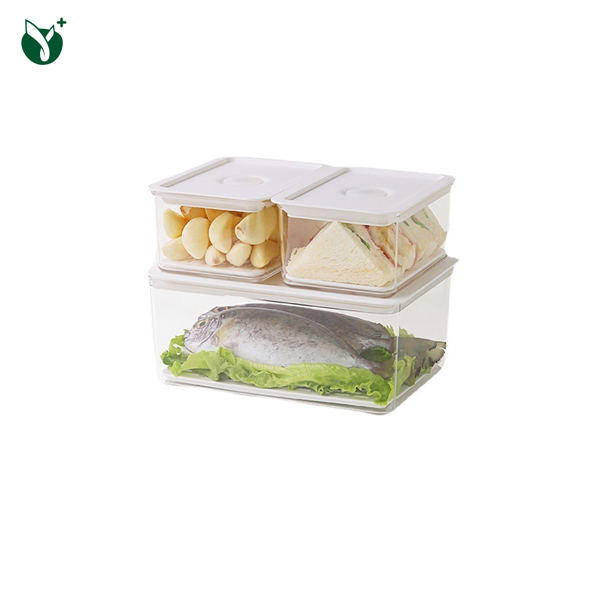
The company’s latest range of biodegradable containers combines durability with eco-conscious design. Made from plant-based polymers, these containers retain strength and usability for food storage and transportation but decompose safely after disposal. This innovation helps consumers and businesses reduce reliance on petrochemical plastics without sacrificing convenience or performance.
### Supporting a Circular Economy
Beyond simply degrading after use, the company’s material solutions align with the principles of a circular economy — an economic system aimed at minimizing waste and maximizing resource efficiency. By utilizing renewable raw materials and enabling compostability, the biodegradable products can be reintegrated into natural cycles.
Such a system fosters environmental sustainability by reducing landfill burden, lowering carbon emissions, and conserving resources. The company’s commitment to supporting circular economy values exemplifies responsible business practices in modern manufacturing.
### Future Outlook and Industry Impact
With environmental regulations tightening worldwide and consumer demand shifting toward green products, the company’s biodegradable materials are positioned to become industry standards. Their joint efforts with Ningbo University not only accelerate research but also facilitate rapid commercialization of eco-friendly products.
The company plans to expand its product portfolio with newer biodegradable formulations tailored for diverse applications, including agricultural films, packaging films, and disposable household items. Ongoing research focuses on enhancing material properties such as tensile strength, moisture resistance, and biodegradation speed to meet varied market needs.
Industry experts predict that the rising adoption of biodegradable materials will significantly reduce plastic pollution over the next decade. By investing in sustainable innovation, this company is setting an example for manufacturers worldwide, proving that environmental responsibility and business success can go hand in hand.
### Conclusion
The collaboration between a forward-thinking biodegradable materials company and the academic excellence of Ningbo University’s School of Materials Science and Chemical Engineering heralds a promising future for green materials. Harnessing advanced research, expert knowledge, and innovative technologies, they are driving the creation of eco-friendly alternatives that meet today’s sustainability challenges head-on.
As the world grapples with the consequences of plastic pollution, such initiatives offer hope and tangible solutions. The continued dedication to developing biodegradable, functional, and environmentally harmonious materials will not only benefit the planet but also empower consumers and industries to make greener choices.
This partnership exemplifies how technological innovation combined with ecological awareness can pave the way for a cleaner and more sustainable world. Through their ongoing work, the dawn of a new era in environmental-friendly materials is well underway.