
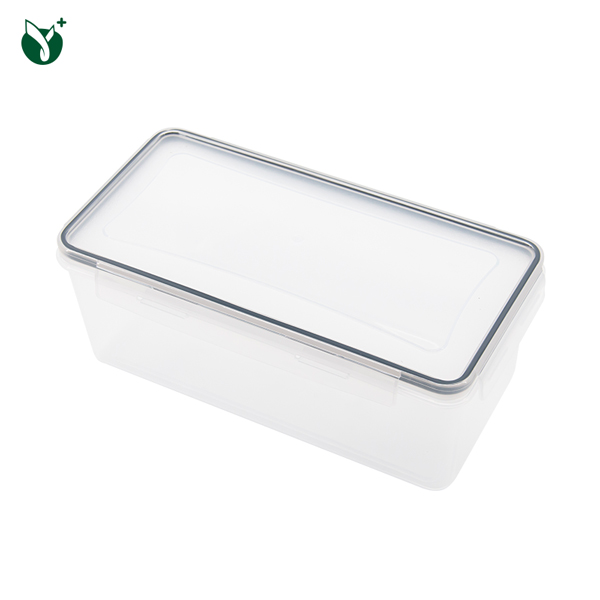
In today’s fast-evolving world, environmental consciousness is no longer optional but imperative. Recognizing the urgent need for sustainable alternatives to conventional plastic products, a pioneering company has taken a significant step forward with the launch of its innovative Plastic Insulated Lunch Box. This new product exemplifies the company’s commitment to environmental responsibility and cutting-edge technology, reflecting a future where convenience and eco-friendliness go hand in hand.
### A New Era of Eco-Friendly Innovation
This Plastic Insulated Lunch Box is more than just a container for meals — it symbolizes a breakthrough in materials science and sustainable design. Unlike traditional lunch boxes that rely heavily on non-biodegradable plastics, this product integrates biodegradable materials, reducing environmental impact without compromising on insulation and durability. By combining functionality with sustainability, the company opens an encouraging chapter in green consumer products.
### The Company’s Vision and Expertise
At the heart of this innovation is the company’s dedicated R&D team, renowned for their extensive experience and unwavering focus on biodegradable material development. Their deep understanding of both materials science and practical application has been instrumental in creating products that meet modern consumers’ needs while protecting the planet.
This ambitious effort is further enhanced through a strategic collaboration with the School of Materials Science and Chemical Engineering at Ningbo University. By leveraging academic research and industrial expertise, this partnership aims to push the frontier of environmentally friendly materials, ensuring that every product embodies the highest standards of sustainability and performance.
### Materials and Technology: The Foundation of Sustainability
The Plastic Insulated Lunch Box utilizes advanced biodegradable polymers that decompose naturally without releasing harmful residues. This technology marks a significant improvement over conventional plastics, which persist in the environment for hundreds of years, contributing to pollution and wildlife hazards.
Thanks to rigorous research and state-of-the-art development, the materials used offer excellent thermal insulation, keeping food fresh and warm for extended periods. This eliminates the need for disposable packaging or plastic wraps, often used as secondary containment, thereby reducing waste further.
### Collaborative Innovation with Ningbo University
The partnership with Ningbo University’s School of Materials Science and Chemical Engineering enhances the R&D process with cutting-edge academic insights and innovative testing methodologies. Ningbo University, recognized for its pioneering research in green materials, brings invaluable scientific rigor to product development.
Through joint projects, the company and university focus on tailoring biodegradable polymers to optimize their physical properties, such as heat resistance and mechanical strength. This collaboration also explores new formulations and composites that may become future hallmarks of eco-friendly packaging solutions.
### Meeting Modern Consumer Demands
Consumers today look beyond mere utility; they want products that reflect their values — sustainability, safety, and quality. The Plastic Insulated Lunch Box meets these criteria by offering a practical, attractive solution that aligns with eco-conscious lifestyles.
Designed for easy cleaning, durability, and portability, the lunch box fits seamlessly into daily routines, whether at school, work, or outdoor activities. Its robust insulation capability keeps meals enjoyable, helping users reduce their dependency on single-use containers and disposable packaging.
### Environmental Impact and Broader Implications
On a macro scale, innovations like this contribute meaningfully to waste reduction and lower carbon footprints. By offering alternatives that degrade naturally, the company sets a precedent for the packaging industry, encouraging others to pursue sustainable development goals.
Moreover, products made with biodegradable materials help alleviate landfill pressures and the pollution of oceans and waterways. This truly aligns with global efforts to combat plastic pollution and promote circular economy principles.
### Future Prospects and Industry Leadership
Looking ahead, the company plans to expand its product line, integrating biodegradable materials into a broader range of daily-use goods. Continued research and development will likely yield even more efficient and versatile materials, further pushing the envelope of what sustainable consumer products can achieve.
The collaboration with Ningbo University will remain a cornerstone of this progress, fostering a vibrant ecosystem where academic research and commercial innovation complement each other. Together, they aim to lead the industry towards greener manufacturing practices and enhanced environmental stewardship.
### Conclusion
The unveiling of the Plastic Insulated Lunch Box marks an important milestone in sustainable product innovation. By marrying advanced biodegradable materials with practical design, the company not only demonstrates its technological prowess but also its commitment to environmental accountability.
This product offers consumers a tangible way to contribute to a healthier planet while enjoying the convenience and performance they expect. As brands and industries continue to embrace sustainability, such developments are crucial in creating a more responsible and eco-friendly future.
In partnership with Ningbo University, the company is poised to redefine the boundaries of environmentally friendly materials and their applications. This exciting collaboration signals a promising future, heralding new possibilities for sustainable living and consumption worldwide.