
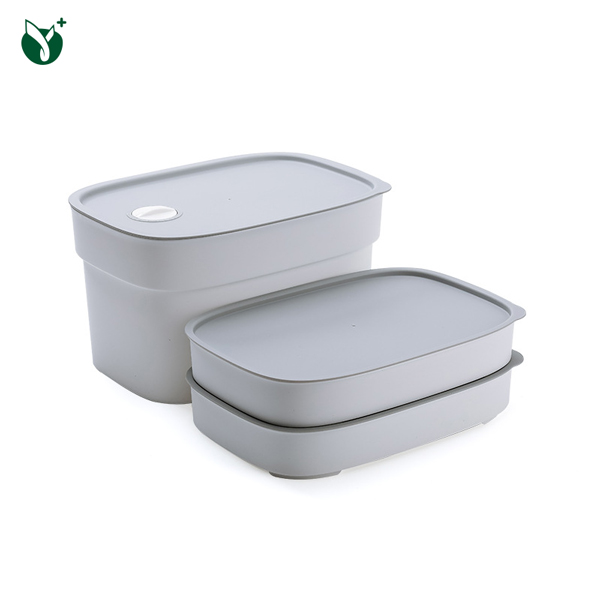
In a step towards embracing environmentally friendly practices in everyday products, a groundbreaking Plastic Heated Lunch Box has been unveiled, designed with sustainability and innovation at its core. This product represents not only a significant advancement in consumer convenience but also a commitment to ecological responsibility, made possible through the dedication of a highly experienced R&D team and a fruitful collaboration with Ningbo University’s School of Materials Science and Chemical Engineering.
### Redefining Convenience with Sustainability
The Plastic Heated Lunch Box is engineered to provide users with the ease of warming meals on-the-go without compromising on environmental impact. Traditional heated lunch boxes often rely on non-biodegradable plastics or energy-intensive components, leading to ecological concerns. By contrast, this new product incorporates biodegradable materials that significantly reduce plastic waste and environmental footprint, aligning with the global shift towards green and sustainable consumer goods.
### Expertise Driving Innovation
Behind this innovation is an R&D team with extensive expertise in biodegradable materials. Drawing on years of experience and cutting-edge research, the team has developed proprietary formulations and production techniques that ensure the lunch box is both durable and eco-friendly. The materials used break down naturally over time, alleviating the issues associated with conventional plastics, which can persist in the environment for centuries.
The team’s focus on research and development is crucial to overcoming one of the biggest challenges in sustainable product design: balancing functionality with biodegradability. This heated lunch box demonstrates that it is possible to deliver practical, user-friendly features without relying on harmful plastics, thus offering a viable alternative in the market.
### Collaborative Research Powerhouse
A key factor in the successful creation of this environmentally conscious product is the collaboration with the School of Materials Science and Chemical Engineering at Ningbo University. This partnership merges industrial insight with academic excellence, fostering an environment where innovative ideas can flourish.
Ningbo University’s faculty members specialize in advanced biodegradable polymers and sustainable chemical processes, offering invaluable knowledge and resources. Through joint research initiatives, they have helped optimize the biodegradable materials used in the lunch box, enhancing heat resistance, safety, and environmental compatibility.
This synergy between academia and industry embodies the emerging trend of open innovation, where cooperative efforts lead to breakthroughs that neither party could achieve alone. It also sets a precedent for future projects aimed at developing green materials for various applications.
### Opening a New Era of Environmental-Friendly Materials
The introduction of this plastic heated lunch box is more than just a product launch — it symbolizes a new era in sustainable material science. The success of this initiative signals the increasing viability and attractiveness of eco-friendly alternatives in everyday consumer products.
By paving the way for biodegradable plastics that do not sacrifice convenience or quality, the project inspires other companies to invest in sustainable R&D and seek academic partnerships. This movement will likely accelerate the transition to a circular economy, where materials are reused, recycled, or safely decomposed, reducing landfill burden and pollution.
Furthermore, consumer awareness around environmental issues is at an all-time high, with shoppers actively seeking products that align with their values. Products such as this heated lunch box cater to this demand, enabling individuals to make choices that support sustainability without giving up modern comforts.
### Practical Applications and Market Potential
The Plastic Heated Lunch Box is ideal for a wide range of users, from office workers and students to travelers and outdoor enthusiasts. Its lightweight, compact design and simple heating mechanism allow users to enjoy warm meals anywhere, anytime, without bulky equipment.
The adoption of biodegradable materials does not hinder the product’s performance — it retains excellent heat insulation and durability, making it comparable to conventional heated lunch boxes in usability and safety. This balance positions the product well for both domestic and international markets, particularly in regions with strict environmental regulations and strong consumer interest in green products.
Additionally, the project underscores the potential for other products to incorporate biodegradable plastics, including food containers, packaging, and kitchenware, further broadening the impact of the R&D efforts.
### Commitment to a Greener Future
Beyond launching a single product, the company’s ongoing commitment to environmental stewardship is clear. Continuous investment in research and development, along with strategic partnerships, is expected to yield more innovative items that contribute to reducing plastic pollution and conserving natural resources.
By championing biodegradable materials and demonstrating their practical application, the company and Ningbo University send a powerful message to the industry: sustainable technology and eco-conscious design are not just ideals but achievable realities. Their collaboration embodies the proactive spirit needed to address urgent environmental challenges through science and innovation.
### Conclusion
The debut of the Plastic Heated Lunch Box marks a significant milestone in sustainable product development, showcasing how advanced biodegradable materials can revolutionize everyday conveniences. Supported by a seasoned R&D team and enriched by academic collaboration with Ningbo University’s School of Materials Science and Chemical Engineering, this initiative heralds a promising future for environmentally friendly materials.
As consumers increasingly demand green options and regulatory landscapes evolve, innovations like this heated lunch box will lead the charge in transforming the way products are designed, manufactured, and disposed of — opening a new era of environmental-friendly materials that marry functionality with responsibility.