
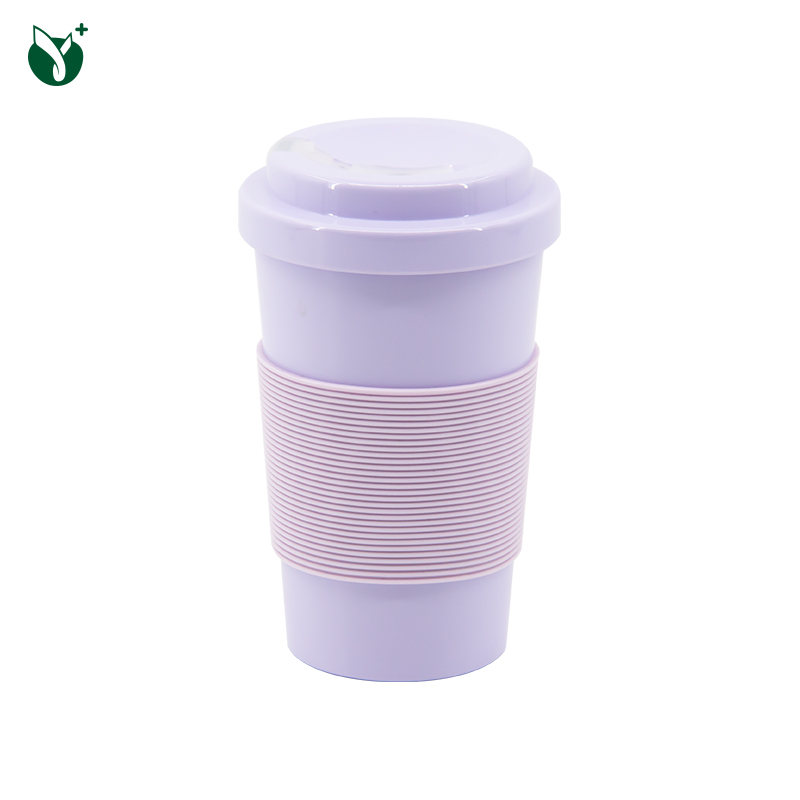
In today’s fast-paced world, convenience and sustainability have become paramount concerns for consumers worldwide. Addressing these demands, a revolutionary electric lunch box that combines practicality with environmental consciousness is set to transform the way people enjoy their meals on the go. Backed by a dedicated R&D team with extensive experience in biodegradable materials and a fruitful collaboration with the School of Materials Science and Chemical Engineering, Ningbo University, this product heralds a new chapter in environmentally friendly dining solutions.
### A Leap Forward in Sustainable Technology
The development of this electric lunch box signifies a major breakthrough in integrating technology with eco-sustainability. Unlike traditional electric lunch boxes that primarily focus on heating convenience without considering their environmental impact, this innovative product is crafted using cutting-edge biodegradable materials. The initiative stems from a vision shared by a passionate R&D team specializing in sustainable materials research. Their expertise has been crucial in ensuring that the lunch box is not only efficient in functionality but also aligns with the global push towards reducing plastic waste and environmental pollution.
The collaboration with the School of Materials Science and Chemical Engineering at Ningbo University has brought together academic rigor and practical innovation. Through joint efforts, the team has explored new bio-based polymers and composite materials that offer durability, heat resistance, and biodegradability—a combination rarely found in everyday electronic and kitchen appliances.
### Features Designed for Modern Consumers
At the heart of this product is a user-friendly design that caters to the demands of busy professionals, students, and eco-conscious consumers. The electric lunch box boasts a high-efficiency heating system capable of evenly warming meals within minutes, negating the need for microwaves or other bulky heating appliances. Its compact and portable structure makes it ideal for use in offices, schools, or outdoor scenarios where access to conventional heating methods may be limited.
Moreover, the materials selected for the lunch box’s body and internal compartments are biodegradable, ensuring that once the product reaches the end of its service life, it can decompose naturally without leaving harmful residues. This initiative directly addresses one of the major environmental issues tied to plastic pollution and electronic waste, setting a precedent for sustainable product lifecycle management.
### Pioneering Research and Development
The success behind this innovative product lies in the R&D team’s deep commitment to advancing environmentally friendly materials. Drawing on years of cumulative research experience, the team has been able to overcome numerous challenges typically associated with biodegradable composites—such as maintaining structural integrity under heat and resisting wear and tear from daily use.
Collaboration with Ningbo University’s School of Materials Science and Chemical Engineering has provided critical support in this process. Joint research projects have enabled the use of advanced characterization techniques and accelerated material testing protocols. This partnership exemplifies how academia and industry can synergize to produce breakthroughs that benefit both consumer wellbeing and environmental sustainability.
### Impact on the Environment and Industry
The launch of this electric lunch box aligns with growing consumer awareness around disposable plastics and electronic waste—a sector known for its significant ecological footprint. By introducing biodegradable components in an electronic appliance, the creators are pushing the boundaries of green technology, encouraging other manufacturers to rethink material choices and sustainability strategies.
Furthermore, the product is expected to influence industry standards regarding sustainable product design. Integrating biodegradable materials with electronic functionality presents a model that could be adopted across various consumer electronics, paving the way for environmentally responsible innovation.
From a broader perspective, such advancements support global efforts to combat climate change and reduce landfill accumulation. Every product that transitions from petroleum-based plastics to biodegradable alternatives contributes to reducing the carbon footprint and promoting a circular economy.
### Future Prospects and Development
Given the encouraging response from early adopters and sustainability advocates, the company’s vision extends beyond just one product. The R&D team, inspired by the collaborative success with Ningbo University, plans to expand their exploration of biodegradable materials to other kitchen and electronic appliances. Continuous innovation, paired with rigorous scientific research, will be crucial to developing new products that seamlessly blend functionality, user convenience, and environmental responsibility.
Efforts are also underway to optimize manufacturing processes that minimize energy consumption and waste generation, further enhancing the overall sustainability profile of future offerings.
### Conclusion
The introduction of this groundbreaking electric lunch box marks a significant milestone in the quest for environmentally friendly consumer products. It exemplifies how technological innovation, when guided by dedicated research and strategic academic partnerships, can lead to solutions that address urgent ecological challenges without compromising on performance and convenience.
As society becomes increasingly aware of the need for sustainable living, initiatives such as this set a benchmark for what the future of consumer electronics and daily-use products can look like—functional, user-centric, and kind to the planet. By championing biodegradable materials and eco-conscious design principles, this product not only serves current consumers but also safeguards environmental health for generations to come.
---
**About the R&D Team and Collaboration**
The pioneering R&D team behind this development boasts rich experience in biodegradable materials science, dedicated to advancing sustainable product innovation. In close collaboration with the School of Materials Science and Chemical Engineering at Ningbo University, the team is unlocking new potentials in eco-friendly materials technology. Together, they are committed to opening a new era of environmentally responsible products and creating a meaningful impact on both the industry and the global environment.