
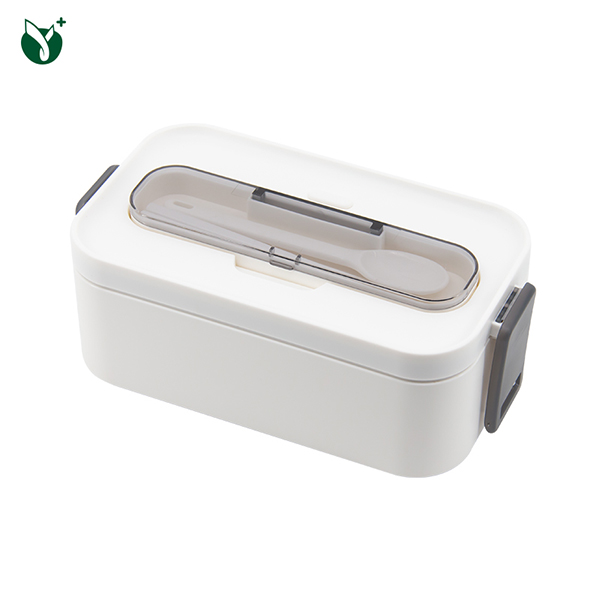
In a significant stride toward environmental sustainability, a cutting-edge plastic lunch box—designed with biodegradable materials—has been introduced, marking a promising development in eco-friendly consumer products. Behind this innovation stands a dedicated R&D team with extensive experience in the research and development of biodegradable materials, collaborating closely with the School of Materials Science and Chemical Engineering at Ningbo University. Together, they are ushering in a new era of environmentally friendly materials that could transform everyday life and reduce plastic pollution worldwide.
### Responding to an Urgent Need
Plastic pollution has become one of the most pressing environmental challenges of our time. Traditional plastics, widely used in packaging and consumer goods, often take hundreds of years to decompose, accumulating in landfills and oceans and severely damaging ecosystems. Food containers, including lunch boxes, are among the common single-use plastics contributing to this crisis.
Recognizing the urgent need to develop alternatives, the R&D team has prioritized researching biodegradable materials that can replace conventional plastics without compromising on durability, safety, and usability. The result is the newly developed plastic lunch box that not only meets user needs for convenience and hygiene but also offers an environmentally responsible solution.
### A Partnership Fueled by Expertise and Innovation
The foundation of this breakthrough lies in the fruitful partnership between the company’s experienced R&D team and the eminent academic expertise provided by the School of Materials Science and Chemical Engineering at Ningbo University. Combining practical industry experience with leading-edge scientific research has allowed for the creation of biodegradable materials that are both robust and eco-friendly.
The School of Materials Science and Chemical Engineering is renowned for its advancements in novel material development, particularly in the area of sustainable polymers. Leveraging their deep knowledge in polymer chemistry and material engineering, their researchers have contributed significantly to formulating biodegradable composites that decompose naturally within a short timeframe without leaving harmful residues.
Meanwhile, the company’s R&D team brings years of hands-on experience in material innovation and product design, ensuring that the biodegradable lunch box meets rigorous quality standards. This collaboration exemplifies how academia and industry can work synergistically to promote sustainable development in manufacturing.
### Features of the Biodegradable Lunch Box
The newly launched lunch box incorporates several key features that highlight its environmental and functional benefits:
- **Biodegradability:** Made from advanced biodegradable polymers, the lunch box can naturally break down in composting environments within months, unlike conventional plastic products which persist for centuries.
- **Safe and Non-toxic:** The materials used are free from harmful chemicals such as BPA and phthalates, ensuring safe food storage for users.
- **Durability:** Despite being biodegradable, the lunch box exhibits high strength and resistance to wear, making it suitable for everyday use.
- **Lightweight and Convenient:** Designed with user convenience in mind, the lunch box is lightweight and easy to carry, fitting neatly into bags and lunch kits.
- **Eco-friendly Production:** The manufacturing process emphasizes low carbon emissions and minimal environmental impact, aligning with green production principles.
### Opening a New Era of Environmental-Friendly Materials
This innovation signifies more than just the launch of a new product— it represents a pivotal movement toward sustainable consumption and production. The company’s focus on biodegradable materials, backed by scientific research, marks the dawn of a new era in material science dedicated to reducing the environmental footprint of everyday items.
According to the R&D leader, “Our mission is to contribute to a cleaner planet by developing materials that do not accumulate as waste but return safely to nature. Working with Ningbo University’s School of Materials Science and Chemical Engineering has been instrumental in achieving this goal. Together, we are setting new standards for environmentally friendly products.”
### Market Impact and Future Prospects
The biodegradable lunch box is poised to have a considerable impact on multiple fronts:
- **Consumer Awareness:** It provides consumers with an accessible choice to reduce plastic waste without sacrificing convenience or safety.
- **Industry Influence:** The success of this product encourages other manufacturers to invest in sustainable materials, fostering broader adoption of green alternatives.
- **Environmental Benefits:** Reduction in persistent plastic waste helps mitigate pollution, protecting wildlife and ecosystems.
- **Innovation Catalyst:** The ongoing collaboration between industry and academia serves as a model for future innovations in biodegradable materials and green technology.
Plans are underway to expand the range of eco-friendly products using similar biodegradable materials, including food packaging, containers, and disposable items. The company also intends to further enhance material formulations to achieve even faster decomposition rates and better performance characteristics.
### Commitment to Sustainability
The company’s dedication to sustainability extends beyond product development. It encompasses a holistic approach involving environmentally conscious sourcing, energy-efficient manufacturing, and active engagement in environmental education and community initiatives. By championing biodegradable materials and sustainable practices, the company aims to lead the charge in the global shift toward a circular economy.
### Conclusion
The introduction of the biodegradable plastic lunch box, developed through the synergy of the company’s seasoned R&D team and the academic prowess of Ningbo University’s School of Materials Science and Chemical Engineering, highlights the promising future of green materials. This innovation not only addresses the urgent plastic waste crisis but also exemplifies how responsible research and collaboration can create practical solutions that benefit both people and the planet.
As the world moves toward more sustainable lifestyles, products like this lunch box play a crucial role in reducing environmental impact and nurturing a healthier ecosystem. With continued dedication to research and innovation, the company stands at the forefront of the environmental materials revolution, paving the way for a cleaner and more sustainable future for generations to come.