
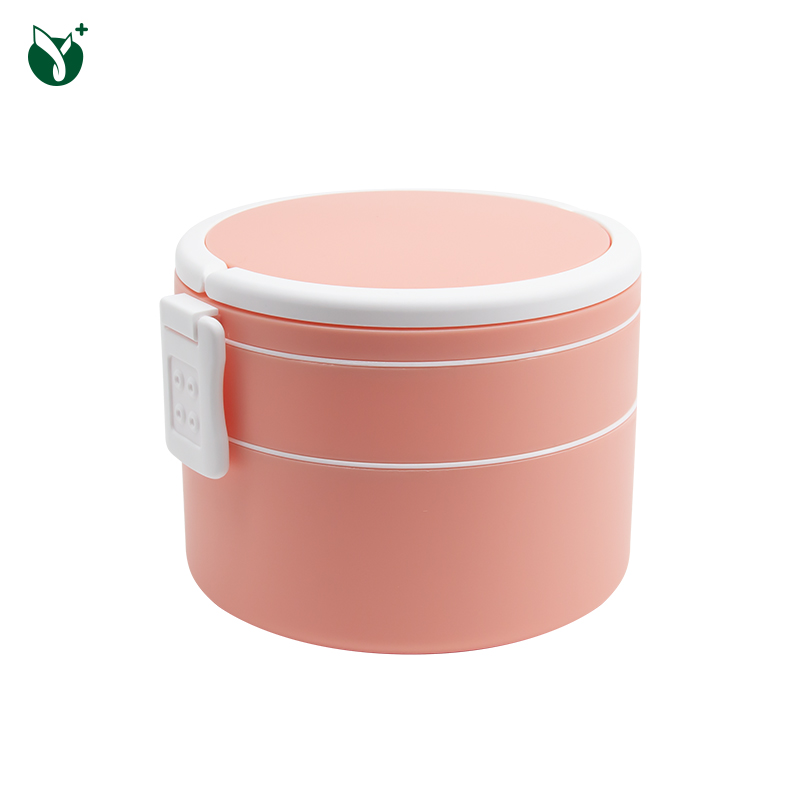
In a significant stride towards sustainability, a newly developed eco-friendly lunch box is set to transform the way consumers think about everyday products. This pioneering product, crafted from biodegradable materials, reflects the culmination of advanced research and collaboration between industry experts and academic institutions dedicated to environmental protection and innovation.
The R&D team behind this breakthrough brings together a wealth of experience in the development of sustainable materials. Their expertise has been instrumental in creating a lunch box that not only meets the practical demands of daily use but also addresses the urgent need to reduce plastic waste and environmental pollution.
### A Commitment to Sustainability
The increasing global awareness of environmental issues has accelerated the demand for products that minimize ecological footprints. Traditional plastic lunch boxes, though convenient, pose significant challenges due to their non-degradable nature, contributing to landfills and ocean pollution. The eco-friendly lunch box embarks on a mission to replace these with a sustainable alternative that decomposes naturally without leaving harmful residues.
The development process leveraged the latest advancements in biodegradable materials, linking material science innovation with practical application. This lunch box is designed to break down efficiently under composting conditions, thereby closing the loop on product life cycles and supporting circular economy principles.
### Collaborative Innovation with Ningbo University
Central to this innovative product is the collaboration with the School of Materials Science and Chemical Engineering at Ningbo University. By partnering with this prestigious institution, the development team was able to integrate cutting-edge academic research with commercial product design and manufacturing expertise.
The School of Materials Science and Chemical Engineering has a storied tradition in pioneering research focused on sustainable materials and green chemistry. This partnership has allowed the research team to leverage advanced polymer chemistry and material engineering techniques, culminating in a product that not only meets environmental goals but also offers durability, safety, and user convenience.
This synergy between academia and industry is a testament to the power of collaborative innovation. It embodies a shared vision of ushering in a new era where environmental responsibility and high-quality consumer products coexist harmoniously.
### Features of the Eco-Friendly Lunch Box
Beyond its environmental credentials, the lunch box boasts several practical features designed to meet the needs of modern consumers:
- **Biodegradability:** The lunch box is made from materials that degrade naturally through microbial activity within a composting environment, reducing landfill accumulation and plastic pollution.
- **Durability:** Despite being biodegradable, the materials used provide structural strength, making the lunch box sturdy, reusable, and resistant to daily wear and tear.
- **Safety:** All materials comply with food-grade safety standards, ensuring no harmful chemicals are leached into food items.
- **Design:** The lunch box features a sleek, modern design with secure sealing mechanisms to prevent leaks and spills.
- **Eco-conscious Packaging:** Even the packaging follows the principle of sustainability, employing recycled and biodegradable materials.
### Market Impact and Consumer Benefits
The introduction of this lunch box is poised to influence both the market and consumer behavior significantly. As environmental concerns become central to purchasing decisions, products that align with green values attract increasing attention and preference.
For consumers, switching to this eco-friendly lunch box offers a simple yet impactful way to contribute to environmental sustainability. It empowers individuals to reduce plastic waste without sacrificing convenience or quality.
For businesses, the innovation demonstrates how integrating sustainability within product development can drive competitiveness and open new market opportunities. Companies that prioritize environmental innovation not only comply with increasing regulatory pressures but also enhance brand reputation among eco-conscious consumers.
### Looking Ahead: Expanding the Future of Environmental-Friendly Materials
The successful development of this eco-friendly lunch box marks only the beginning. The R&D team, in close collaboration with Ningbo University, continues to explore additional applications for biodegradable materials. Their ongoing research focuses on improving material properties, expanding product ranges, and lowering production costs to make sustainable products more accessible globally.
Future initiatives include exploring biodegradable materials for packaging, food service ware, and other consumer goods that traditionally rely heavily on plastic. The ultimate goal is to accelerate the transition toward a more sustainable and circular economy, reducing humanity’s environmental footprint substantially.
### Conclusion
The eco-friendly lunch box represents an inspiring example of the power of research-driven innovation and collaborative partnership. By combining the rich experience of a dedicated R&D team with the academic excellence of Ningbo University’s School of Materials Science and Chemical Engineering, a new chapter in environmentally sustainable materials has begun. This product not only addresses pressing environmental challenges but also sets a high standard for future innovations aimed at harmonizing human convenience with planetary health.
As consumers and businesses alike embrace these green alternatives, the prospect of a cleaner, healthier world becomes increasingly attainable. The journey towards sustainability is ongoing, but with innovations such as this eco-friendly lunch box leading the way, the future looks brighter for generations to come.