
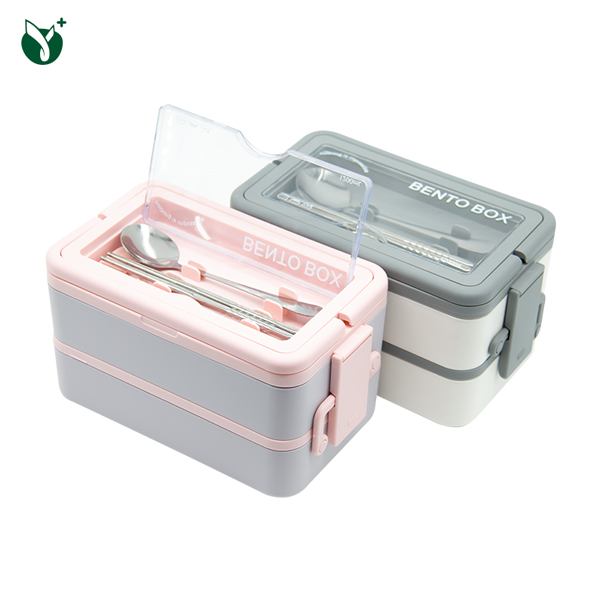
In response to growing environmental concerns and the increasing need for sustainable alternatives in daily life, a groundbreaking eco-friendly lunch box made from polylactic acid (PLA) has been introduced to the market. This innovative product marks a significant step forward in the use of biodegradable materials, reflecting a growing global trend toward reducing plastic waste and promoting ecological responsibility.
### A New Era of Eco-Friendly Materials
The development of this PLA lunch box is the fruit of a dedicated research and development team renowned for their extensive expertise in biodegradable materials. With a clear focus on sustainability, the team has collaborated closely with the School of Materials Science and Chemical Engineering at Ningbo University—a partnership that has been instrumental in driving this project forward.
This dynamic collaboration between industry and academia is set to open a new era in the use of environmentally friendly materials. By combining practical manufacturing experience with cutting-edge scientific research, the project not only advances the technical boundaries of biodegradable products but also exemplifies a model for innovative cooperation in sustainability.
### The Science Behind PLA
Polylactic acid (PLA) is a type of bioplastic derived from renewable resources such as corn starch or sugarcane. Unlike conventional plastics, which rely heavily on fossil fuels and persist in the environment for hundreds of years, PLA is fully biodegradable and compostable under industrial composting conditions.
PLA’s advantages go beyond its environmental credentials—it offers durability, versatility, and is safe for food contact, making it an ideal material for lunch boxes. The application of PLA in everyday items helps reduce reliance on single-use plastics and minimizes the accumulation of non-degradable waste, which contributes significantly to pollution and landfill expansion.
### Design and Functionality
The newly launched eco-friendly lunch box has been designed with both the environment and consumer convenience in mind. Lightweight, sturdy, and easy to clean, it caters to a wide range of users from students and office workers to outdoor enthusiasts. Its modular design allows for efficient storage and transport, while the natural PLA material ensures it will degrade safely after its useful life ends.
Additionally, the product features a smooth, aesthetically pleasing finish, highlighting that sustainable products do not need to sacrifice style or quality. The lunch box is microwave safe, ensuring practical usage, and tested rigorously to meet food safety standards.
### Driving Forward Sustainable Development
The launch of the PLA lunch box is more than just a new product introduction; it is a testament to a broader commitment to sustainable development and ecological innovation. The dedicated R&D team behind its creation brings years of experience in biodegradable materials, and their efforts are supported by strong institutional cooperation with Ningbo University’s School of Materials Science and Chemical Engineering.
Together, this partnership is pushing the boundaries of material science by developing bioplastics with improved performance, cost-effectiveness, and environmental impact. It embodies a crucial step in reducing dependence on conventional plastics, which have long dominated consumer products despite their detrimental environmental effects.
### Industry Implications and Future Outlook
The successful integration of PLA into consumer products represents a promising milestone for industries seeking to transition toward greener alternatives. This innovation encourages other manufacturers to invest in eco-friendly materials and adopt sustainable manufacturing processes.
Looking ahead, further research aimed at enhancing the properties of PLA and exploring new biodegradable materials is expected. This will facilitate the creation of a broader range of sustainable products, ultimately contributing to the circular economy and helping mitigate global environmental challenges such as plastic pollution and carbon emissions.
### Responding to Consumer Demand for Sustainability
Consumer awareness and demand for eco-friendly products are growing rapidly worldwide. Shoppers are increasingly making choices that align with their environmental values, driving companies to innovate accordingly. Eco-conscious consumers recognize the importance of reducing single-use plastics and are keen to adopt products that reduce their ecological footprint.
By introducing this PLA lunch box, the company meets this rising demand and equips customers with an environmentally responsible alternative that integrates seamlessly into their daily routines.
### Commitment Beyond Product Development
The company’s commitment to sustainability goes beyond developing eco-friendly products. It is actively involved in promoting environmental awareness and encouraging responsible consumption. Educational initiatives, community engagement, and partnerships with research institutions amplify the impact of their work, helping to foster a culture of sustainability.
The collaboration with Ningbo University is a perfect example of this holistic approach, combining scientific innovation, educational outreach, and industrial application.
### Conclusion
The introduction of the PLA eco-friendly lunch box heralds an exciting advancement in biodegradable consumer products. Leveraging the expertise of a seasoned R&D team and the scientific prowess of Ningbo University, this product exemplifies the new wave of environmentally friendly materials designed to address urgent global challenges.
As the world moves toward a more sustainable future, innovations like this lunch box demonstrate how science, industry, and education can work hand in hand to create practical solutions that benefit both people and the planet. This collaborative spirit and commitment to eco-conscious development will undoubtedly inspire further breakthroughs that continue to transform the way we live, consume, and protect our environment.