
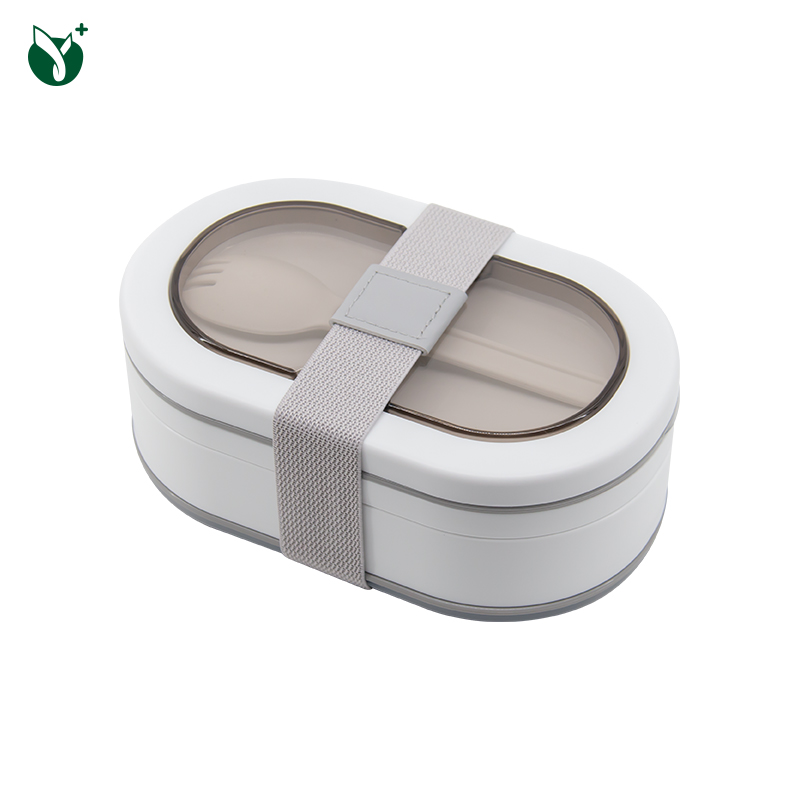
In a significant stride towards environmental sustainability, a groundbreaking student-designed biodegradable plastic lunch box is set to revolutionize the way we think about disposable food containers. Developed through a collaborative effort that merges academic excellence with cutting-edge research and development, this initiative marks a key milestone in the pursuit of eco-friendly alternatives to traditional plastics.
The project has been spearheaded by a dedicated R&D team with extensive expertise in biodegradable materials. Their work is supported by a strategic partnership with the School of Materials Science and Chemical Engineering at Ningbo University. This collaboration embodies a shared commitment to innovation and environmental responsibility, as both entities combine their strengths to foster advancements in sustainable materials that could transform everyday products.
### Rising to the Challenge: Reducing Plastic Pollution
Plastic pollution has emerged as one of the most pressing environmental challenges of the 21st century. Single-use plastics, particularly food containers and lunch boxes, contribute significantly to waste accumulation in landfills and oceans, harming ecosystems and threatening marine life. Addressing this issue requires not only innovation in materials science but also a paradigm shift in consumer behavior and industry standards.
The newly developed student biodegradable plastic lunch box represents a timely response to these challenges. Unlike conventional plastic lunch boxes, which can take hundreds of years to decompose, this biodegradable alternative is designed to break down efficiently in natural environments, drastically reducing its ecological footprint.
### The Science Behind Biodegradability
At the heart of this innovation lies advanced material science research focusing on biodegradable polymers. The R&D team has leveraged their extensive knowledge to formulate a composite material that balances durability, functionality, and environmentally friendly properties.
Biodegradable plastics are engineered to decompose through the action of naturally occurring microorganisms such as bacteria and fungi. This process converts the plastic into biomass, carbon dioxide, and water, leaving behind no long-lasting harmful residues. However, achieving an optimal balance between usability and biodegradability is a complex task, requiring precise control over polymer composition and manufacturing processes.
The involvement of the School of Materials Science and Chemical Engineering at Ningbo University has been instrumental in overcoming these technical challenges. With state-of-the-art laboratories and a strong research focus on sustainable materials, the university provides a robust academic foundation and innovative solutions that have accelerated product development.
### Collaboration Driving Innovation
This project exemplifies how synergy between academic institutions and industrial R&D teams can catalyze breakthroughs in material technology. The R&D team’s hands-on experience combined with Ningbo University’s academic rigor has created an environment conducive to innovation. Together, they have conducted extensive research, testing, and optimization to ensure that the biodegradable lunch box meets high standards of safety, durability, and ecological effectiveness.
Moreover, this collaboration facilitates the integration of new scientific discoveries into practical applications. Students and researchers at Ningbo University gain real-world experience by working alongside the R&D team, while the company benefits from fresh perspectives and cutting-edge academic insights.
### Features and Benefits of the Biodegradable Lunch Box
The student biodegradable plastic lunch box stands out for several key features:
- **Environmentally Friendly**: The lunch box decomposes naturally within months under composting conditions, significantly reducing plastic waste.
- **Durable and Functional**: Despite its biodegradable nature, the material is strong enough to hold various types of food securely and withstand regular use.
- **Non-Toxic and Safe**: Made from non-toxic materials, it is safe for food contact ensuring consumer health and satisfaction.
- **Lightweight and Convenient**: Easy to carry and use, making it an ideal choice for students, office workers, and environmentally conscious consumers.
By offering a practical alternative without compromising on convenience and safety, the biodegradable lunch box encourages widespread adoption among daily users.
### A Step Towards a Sustainable Future
The development of this biodegradable lunch box underscores the critical role that material innovation plays in achieving environmental sustainability. As governments, companies, and consumers increasingly prioritize green solutions, such breakthroughs offer viable paths to reduce plastic waste and protect ecosystems.
This initiative also serves as a model for how higher education institutions can partner with industry to drive progress in sustainable technologies. Through ongoing research and collaboration, new products and materials with reduced environmental impact can be developed, bringing us closer to a circular economy where waste is minimized, and resources are conserved.
### Looking Ahead
Building on the success of the biodegradable lunch box, the R&D team and Ningbo University plan to expand their research portfolio to explore additional biodegradable products and applications. Future efforts may include packaging materials, agricultural films, and consumer goods—each designed with sustainability at their core.
By continuously pushing the boundaries of biodegradable material science, this partnership aims to contribute significantly to the global effort to reduce pollution and conserve natural resources. The path ahead promises exciting innovations that could redefine how industries approach plastic use and disposal.
### Conclusion
The student biodegradable plastic lunch box is more than just an eco-friendly product—it symbolizes a commitment to leveraging science and collaboration for the betterment of the planet. With an experienced R&D team and strong academic backing from Ningbo University’s School of Materials Science and Chemical Engineering, the project opens a new chapter in the development of environmentally friendly materials.
As society grapples with the environmental consequences of plastic pollution, such innovative solutions offer hope and tangible progress. The future of sustainable consumer products is bright, and this collaboration is paving the way toward a cleaner, greener world.