
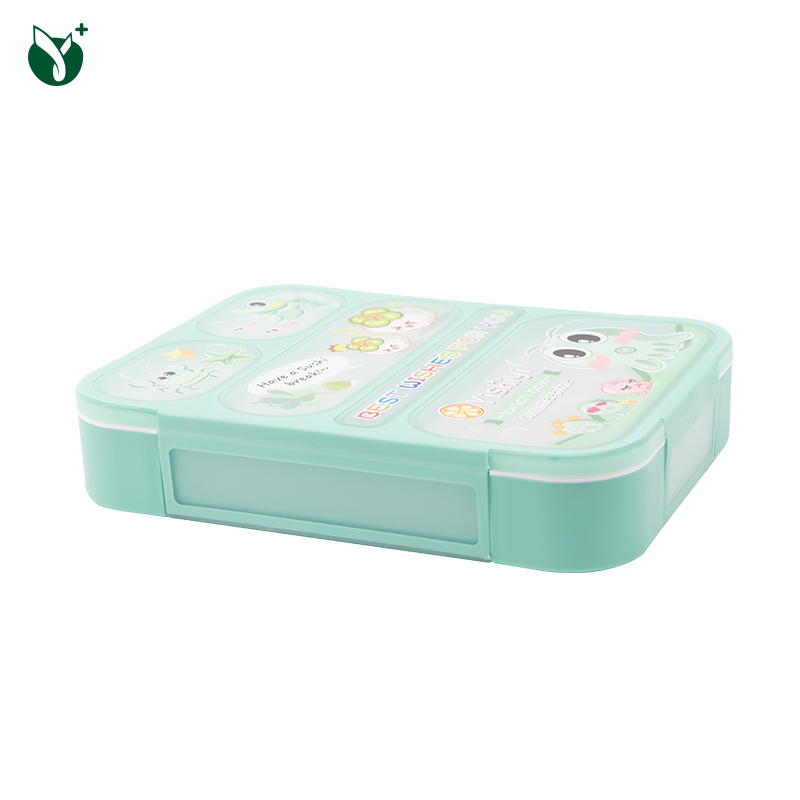
In an era where environmental concerns dominate global discourse, the development of eco-friendly alternatives to traditional plastics has become imperative. Recently, a breakthrough has been made in the field of biodegradable materials with the introduction of an innovative biodegradable plastic lunch box designed to significantly reduce environmental impact without compromising convenience and durability.
This cutting-edge lunch box represents the fruits of extensive research and development undertaken by a dedicated R&D team renowned for their rich experience in biodegradable materials. Their commitment to pioneering green solutions is bolstered by a strategic collaboration with the School of Materials Science and Chemical Engineering at Ningbo University, aiming to usher in a new era of environmentally friendly materials that align with the global push for sustainability.
**Addressing the Plastic Pollution Crisis**
Plastic pollution remains one of the most pressing environmental issues, with traditional plastics taking hundreds of years to decompose, polluting oceans, soil, and endangering wildlife. Single-use items, particularly food containers and packaging, contribute significantly to this mounting problem. The newly developed biodegradable plastic lunch box offers a viable alternative by utilizing materials that naturally break down much faster and more safely than their conventional counterparts.
By choosing biodegradable plastics derived from renewable resources, this product ensures that once discarded, it decomposes into non-toxic components, minimizing residue and ecological footprint. This innovation is especially relevant for consumers, businesses, and institutions seeking to reduce their environmental impact through sustainable packaging.
**Breakthroughs in Material Science**
The R&D team behind this innovative product leverages years of expertise in biodegradable materials research. Their deep understanding of polymer chemistry and material engineering enables the design of plastics that maintain the strength, flexibility, and practicality required for everyday use while achieving biodegradability.
Central to this success is the collaboration with the School of Materials Science and Chemical Engineering at Ningbo University, a partnership that exemplifies how academia and industry can jointly drive technological advancement. Combining theoretical knowledge and cutting-edge research methods, the team was able to optimize the material composition, balancing performance with eco-friendliness.
This alliance has not only enabled breakthroughs in the development of this biodegradable lunch box but also sets the foundation for a broader range of environmental-friendly materials to be introduced to the market, signaling a potential paradigm shift in how materials are sourced and disposed of.
**Key Features and Benefits**
The biodegradable plastic lunch box stands out because it meets several key criteria:
1. **Biodegradability**: The lunch box is formulated to break down naturally within a fraction of the time traditional plastics require, significantly lowering landfill accumulation.
2. **Durability**: Despite being biodegradable, the material sustains everyday demands, maintaining structural integrity during use – whether for carrying meals at work, school, or outdoor activities.
3. **Food Safety**: Strict adherence to food-grade standards ensures the lunch box is non-toxic and safe for storing various types of food without leaching harmful substances.
4. **Environmental Impact**: Using plant-based raw materials reduces dependency on fossil fuels, lowering the overall carbon footprint.
5. **Convenience**: Designed to be lightweight and user-friendly, it fits seamlessly into the busy lifestyles of modern consumers.
**Contributing to a Greener Economy**
The launch of this biodegradable lunch box aligns with a broader societal shift toward circular economies where products and materials continuously cycle through reuse, recycling, or biodegradation, thus minimizing waste and resource exploitation.
By providing practical biodegradable alternatives for everyday products, companies contribute to reducing plastic pollution while educating consumers about sustainable choices. Moreover, embracing biodegradable plastics supports regulatory efforts worldwide aimed at curbing plastic waste through bans, levies, and incentives for eco-friendly products.
**Future Outlook**
Looking forward, the R&D team and their academic partners remain committed to innovating further within the biodegradable materials space. Plans include expanding the product line to encompass a variety of packaging solutions and exploring newer biodegradable composites with enhanced mechanical properties and cost-effectiveness.
As environmental awareness continues to escalate, consumer demand for sustainable products is expected to grow exponentially. The successful integration of scientific expertise with industrial design demonstrated in the development of this biodegradable plastic lunch box positions the company as a leader in the evolving green materials market.
**Conclusion**
The introduction of this biodegradable plastic lunch box marks a significant milestone in sustainable product design, reflecting the power of collaboration between experienced researchers and academic scientists. It offers a practical, eco-friendly alternative to traditional plastic lunch containers, contributing meaningfully to efforts aimed at mitigating plastic pollution.
With ongoing research and innovation, such biodegradable materials are set to become mainstream, helping forge a healthier planet for current and future generations. This pioneering product is not just a lunch box—it is a symbol of environmental responsibility and scientific progress converging to open a new era of sustainable living.